
Living With Mast Cell Activation Syndrome: A Rooted, Integrative Perspective
Mast Cell Activation Syndrome (MCAS) is a complex and often misunderstood condition that sits at the intersection of the immune system, nervous system, and environmental exposure. For many patients, it does not arrive suddenly or in isolation. Instead, it emerges after years of cumulative stress on the body—chronic infections, toxic exposures, trauma, and nervous system dysregulation. This layered nature is why MCAS is frequently missed or misdiagnosed, and why a truly integrative approach is essential for healing.
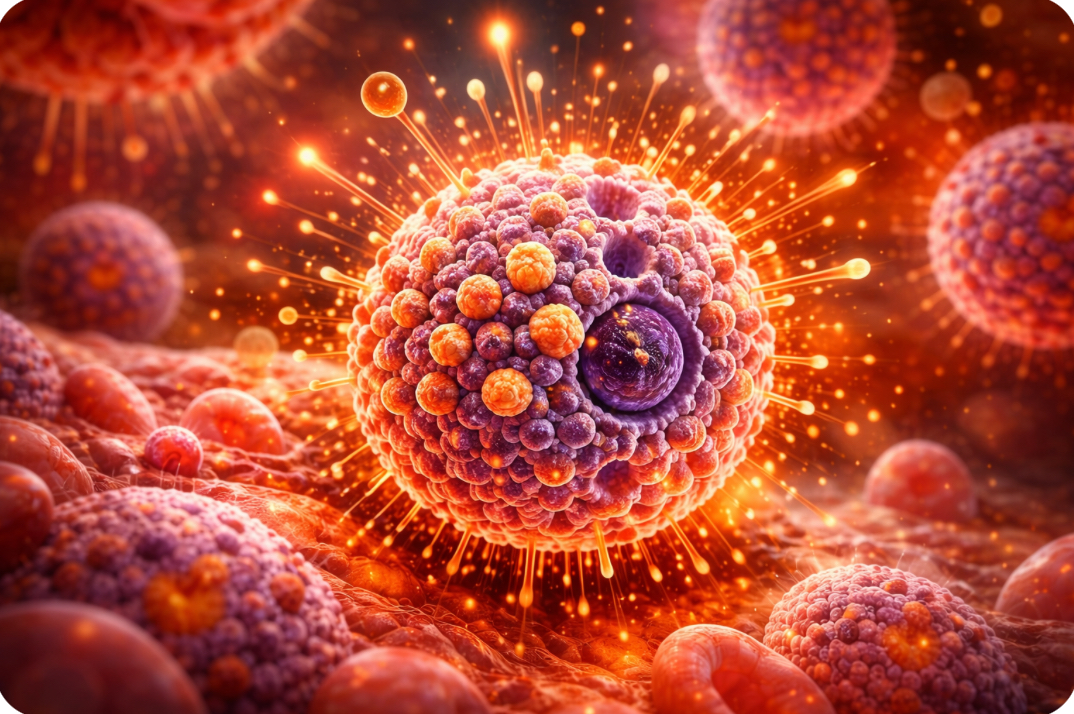
From a functional medicine perspective, mast cells are immune cells designed to protect us. They play a vital role in defense by releasing chemical mediators such as histamine, cytokines, and prostaglandins in response to perceived threats. In MCAS, these cells become hypersensitive and overreactive, releasing inflammatory mediators inappropriately or excessively. This leads to a wide array of symptoms that can fluctuate daily or even hourly, often without an obvious trigger.
Common symptoms include flushing, itching, hives, headaches, sinus congestion, digestive distress, bloating, diarrhea or constipation, food sensitivities, anxiety, insomnia, heart palpitations, lightheadedness, joint or muscle pain, and profound fatigue. Many patients describe feeling “inflamed everywhere” or as though their body is constantly on edge. Triggers can include foods (especially high-histamine foods), temperature changes, stress, fragrances, chemicals, supplements, medications, infections, mold exposure, and even exercise. Importantly, what triggers a reaction one day may be tolerated another day, reflecting the unstable and reactive nature of the immune-nervous system interface.
My own journey with MCAS began after late-stage Lyme disease and significant mold exposure—two of the most potent immune disruptors we see clinically. Both Lyme and mold biotoxins place enormous strain on detoxification pathways, mitochondrial function, and the nervous system. Over time, this burden can push mast cells into a chronically activated state. Like many patients, I experienced a long period of unexplained symptoms before understanding what was happening in my body. That lived experience deeply informs how I now approach care, both clinically and compassionately.
In functional medicine, we view MCAS not as a standalone diagnosis, but as a downstream effect of deeper root causes. These often include chronic infections such as Lyme or co-infections, mold toxicity, gut dysbiosis, increased intestinal permeability (leaky gut), impaired liver detoxification, nutrient deficiencies, and—critically—chronic nervous system dysregulation. When the body is stuck in a prolonged fight-or-flight state, immune cells, including mast cells, receive constant danger signals. The immune system responds accordingly, even when no immediate threat is present.
Traditional Chinese Medicine (TCM) offers a parallel and complementary lens through which MCAS can be understood. While mast cells are not named explicitly in classical texts, the patterns they create are well described. MCAS commonly reflects a combination of Spleen Qi deficiency with damp accumulation, Liver Qi stagnation with heat, underlying Blood or Yin deficiency, and a Heart-Kidney disconnect driven by chronic stress or trauma. When the Spleen is weakened, the body struggles to properly transform and transport fluids, leading to dampness and phlegm—often experienced as congestion, brain fog, and digestive symptoms. Liver stagnation contributes to reactivity, inflammation, and emotional volatility, while deficiencies leave the system without the resilience needed to regulate immune responses effectively.
Acupuncture plays a central role in treating MCAS because it works at the level of regulation rather than suppression. Rather than forcing symptoms down, acupuncture helps recalibrate the nervous system, shifting the body out of sympathetic overdrive and into a parasympathetic, restorative state. This shift alone can significantly reduce mast cell reactivity. Research has shown that acupuncture influences the hypothalamic-pituitary-adrenal (HPA) axis, vagal tone, inflammatory cytokines, and microcirculation—all key players in immune regulation.
Clinically, acupuncture helps stabilize mast cells by calming the nervous system, improving blood and lymphatic flow, supporting gut function, and reducing systemic inflammation. Patients often notice improvements not only in physical symptoms such as pain, digestion, and congestion, but also in anxiety, sleep, and emotional resilience. Over time, as treatments build on one another, the body becomes less reactive and more adaptable.
At Lake Life Wellness Center, acupuncture is rarely used in isolation. We intentionally layer therapies that work synergistically to support immune balance and nervous system healing. Low-heat or no-heat halotherapy and infrared sauna can be beneficial for select MCAS patients when used appropriately, supporting detoxification and respiratory health without overwhelming the system. Gentle, restorative yoga and breath-based practices help retrain the nervous system, teaching the body that it is safe to rest and regulate. Functional medicine testing and targeted supplementation are introduced carefully and strategically, respecting the heightened sensitivity many MCAS patients experience.
Healing from MCAS is not linear. There are often periods of improvement followed by flares, especially as deeper layers of dysfunction are addressed. This does not mean the body is failing—it means it is responding and recalibrating. One of the most important parts of the healing process is education and reassurance. Understanding why the body is reacting reduces fear, and reducing fear itself calms the immune response.
MCAS asks us to slow down, listen closely, and treat the whole person rather than chasing symptoms. Whether MCAS arises after infection, environmental exposure, trauma, or years of accumulated stress, the body’s message is the same: it needs support, safety, and regulation. Through an integrative approach that honors both modern functional medicine and the wisdom of Chinese medicine, it is possible to reduce reactivity, restore balance, and reclaim a sense of stability and trust in the body again.
If you or someone you love is navigating mast cell activation, know that you are not broken—and you are not alone. With the right framework, the right support, and patience with the process, meaningful healing is possible.